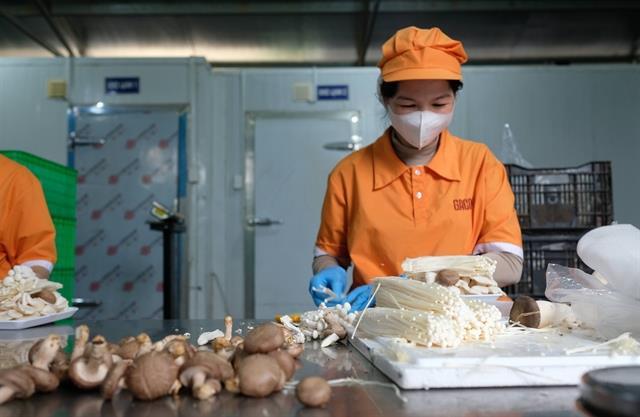
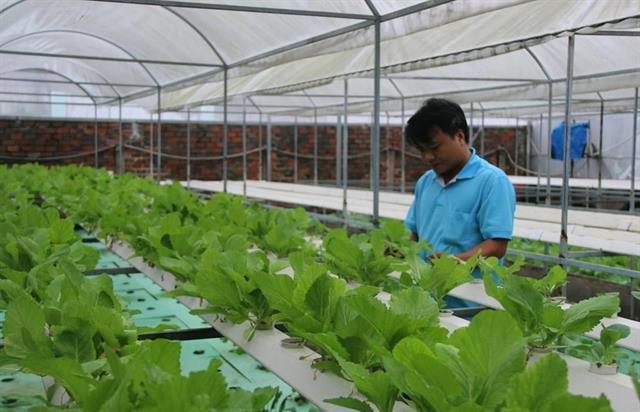





Polish businesses are looking beyond expanding food exports to Việt Nam by increasingly sourcing Vietnamese agricultural products for the European market, highlighting growing opportunities for two-way agricultural trade between the two countries.
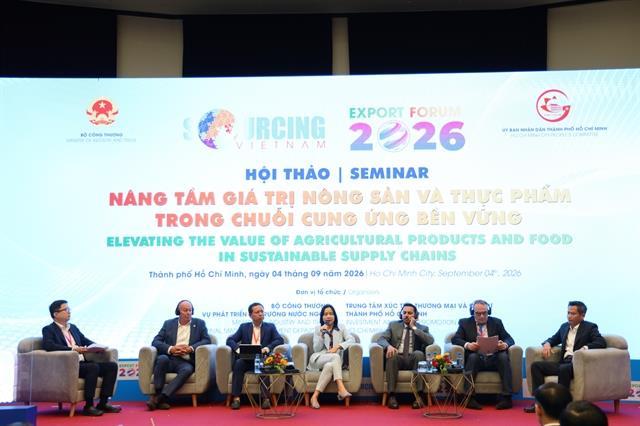
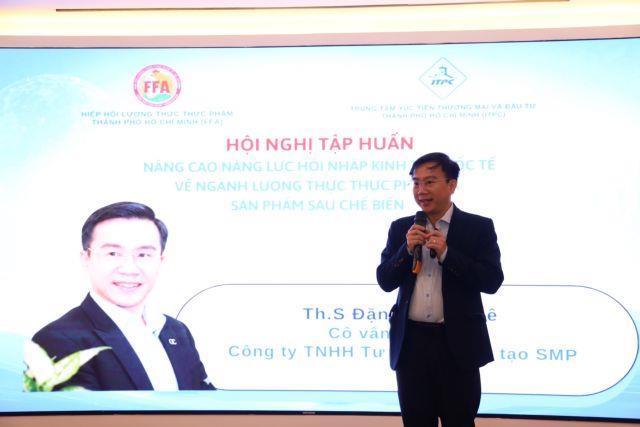
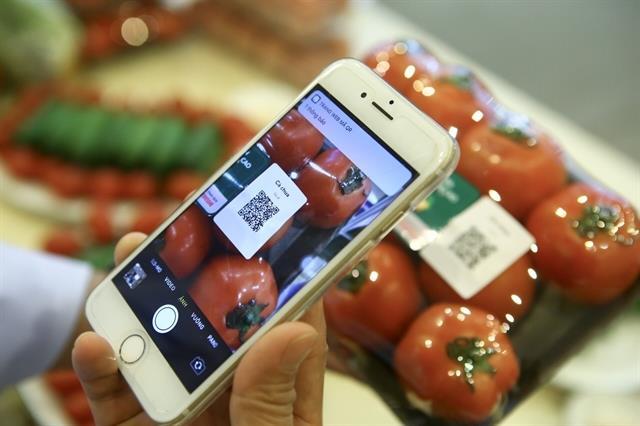
While free trade agreements do open up huge export opportunities, tariff preferences only truly deliver efficiency when businesses meet increasingly stringent requirements in terms of quality, environment, and traceability, a training workshop heard in HCM City on July 16.
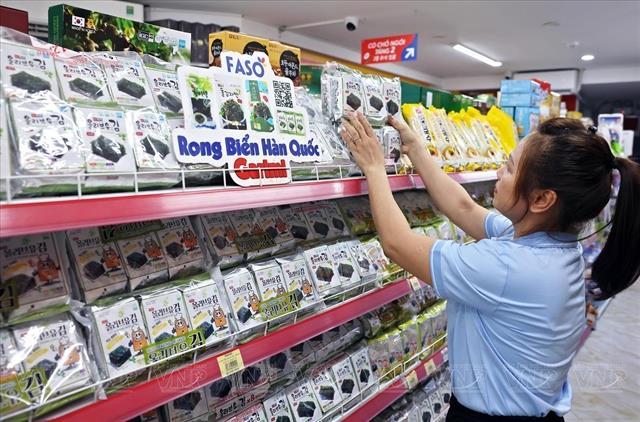
Việt Nam is South Korea''s fourth-largest export market for agricultural and food products, and demand for Korean food continues to rise alongside the spread of Korean popular culture.
Korean brands showcased consumer products, education technology and cultural experiences at KBEE Hanoi 2026, as businesses from both countries sought new partnerships and opportunities to expand bilateral trade.
The three-day event will bring together more than 100 South Korean exhibitors and over 200 buyers from Việt Nam and across Southeast Asia for business matching and trade cooperation.
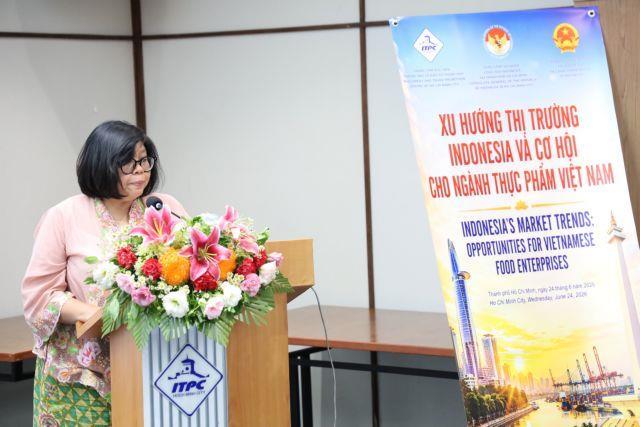
Indonesia is emerging as one of the most promising export destinations for Vietnamese products thanks to its vast consumer market, rapidly growing middle class and increasing demand for processed and health-oriented foods.
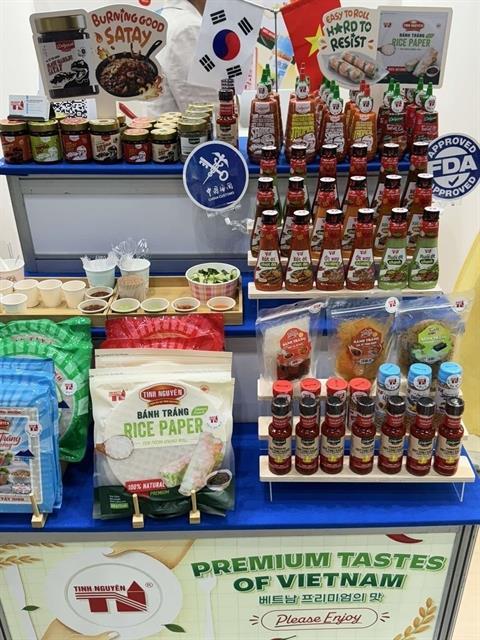
Twenty-eight Vietnamese food companies are participating in Seoul Food 2026, the Republic of Korea''s largest annual food exhibition, held from June 9 to 12, to promote their brands and expand business partnerships in the Korean market.
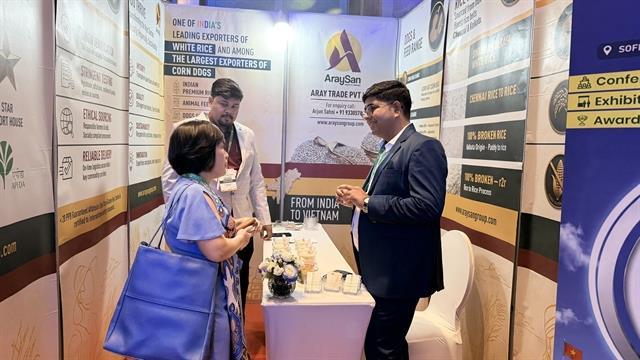
Việt Nam has established itself as one of Southeast Asia’s leading agricultural exporters, while India is a major global supplier of farm produce and food commodities, and they could build resilient and efficient supply chains by combining the former’s dynamic...
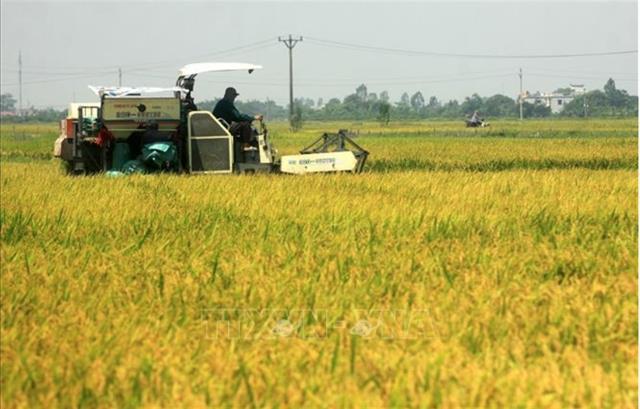
Việt Nam’s food system demonstrates strong affordability and stable supply, supported by robust agricultural production and effective domestic distribution, reflecting solid underlying fundamentals, according to new research by Economist Impact, supported by Cargill.